Seeing the Dark Side of the Moon...
Wed, 8 Apr, 2026
Read in 3 minutes
VIDEO TRANSCRIPT - Artemis II has reached the Moon, here are the photos they got!
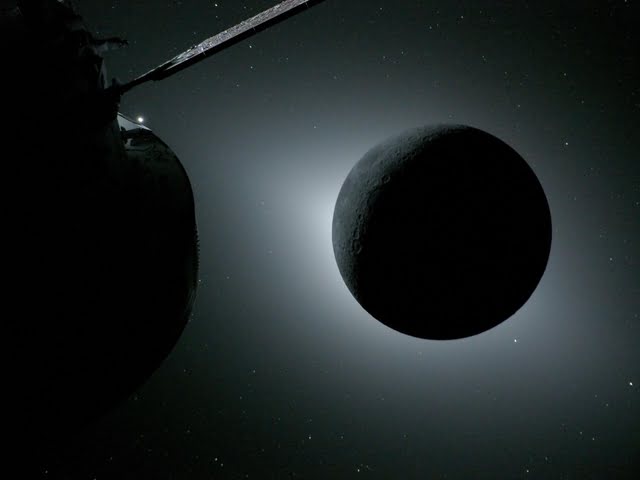
About This Transcript
This transcript has been modified and expanded with new information and images from the Artemis II mission. The original text is included as the first section of this transcript, with the added information in the section which follows (Those Lovely Photos).
You can view the video here: Seeing the Dark Side of the Moon…
In just a couple of hours, at 2:45 PM ET (7:45 PM BST)1, the Artemis II mission will travel around the back of the Moon. Over seven hours of total time, the crew will make observations and take detailed photos of the dark side of the Moon - one of the main aims of the mission.
Now, to celebrate this, I thought I would put together some facts about the mission:
First, you might have noticed that I’m holding a globe, well, if the Earth was this size, then the Moon would be about the size of a tennis ball and it would be about sixty metres away - that’s quite a long distance! It has taken the mission over 5 days to travel to the Moon, and they’ll go to a maximum of 252 760 miles from Earth (406 780 km).
The crew will come within 4 070 miles (6 550 km) of the Moon’s surface and we’ll lose contact with them for around 40 minutes during their observations. But, when we recontact them, we’ll get photos from the 32 cameras which are around and within the Orion spacecraft which will be sent back for us to enjoy!
Those Lovely Photos
The photos taken by the Artemis II crew were sent back to us on the 7th of April, and I am happy to present the dark side of the Moon:
You can enlarge these photos by clicking on them.
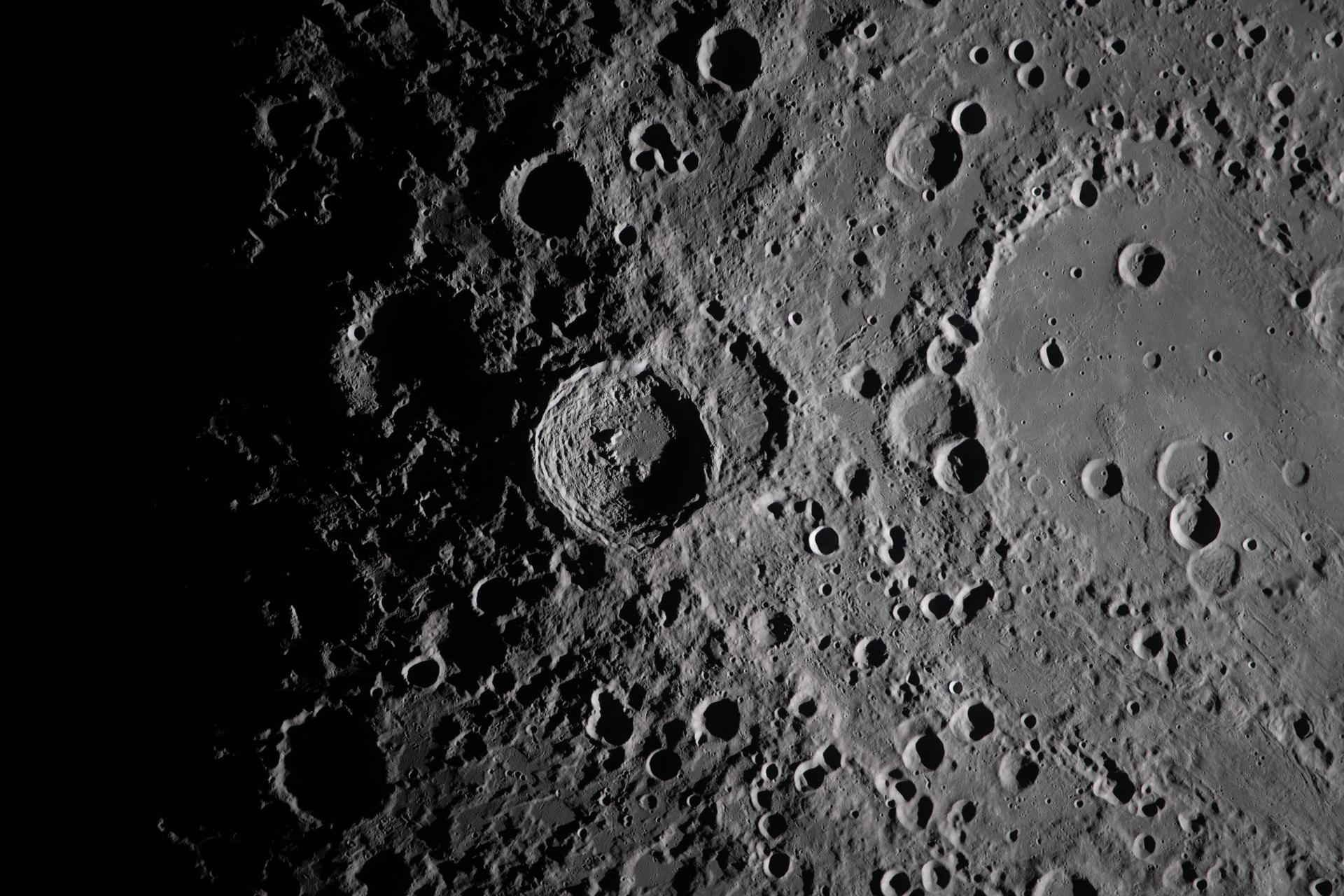
Vavilov is a large impact crater to the west of the Hertzsprung plain. The shadow marks the boundary between lunar day and night.
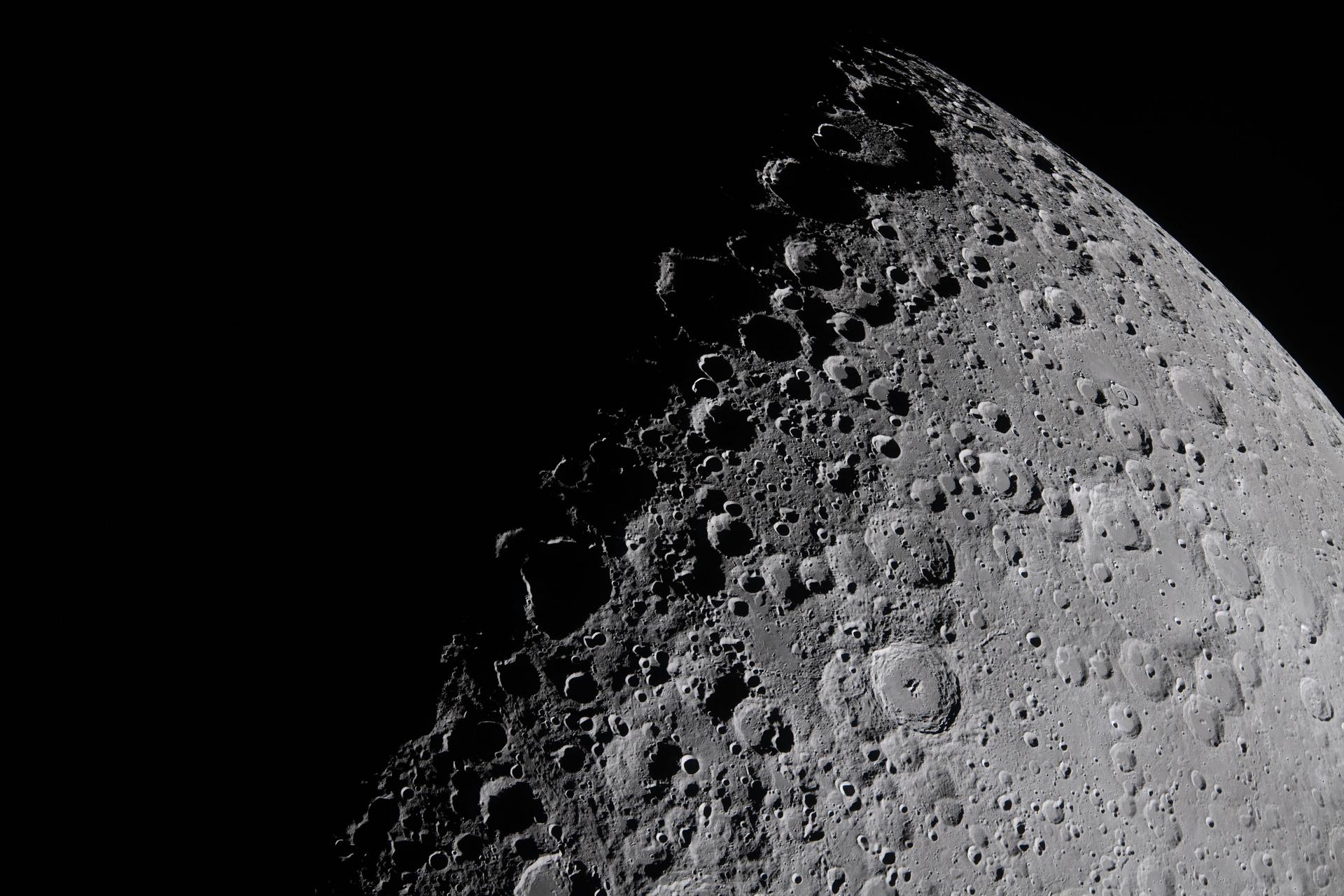
The boundary between night and day is called the terminator and its long shadows highlight the jagged and sharp topology of the Moon.
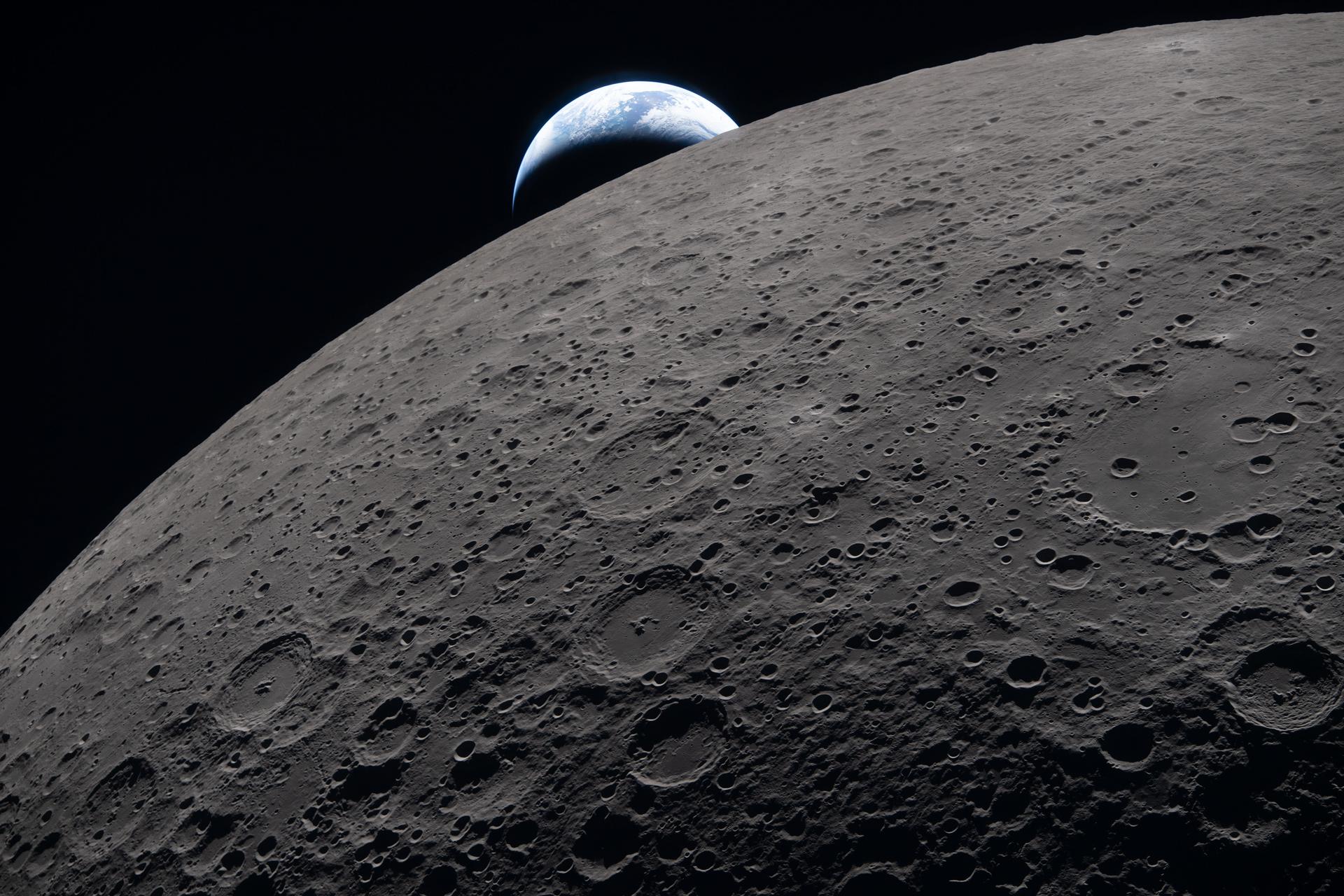
This photo was taken at 6:41 PM ET just three minutes before contact was lost with the Orion spacecraft. This unique view of the Earth setting behind the Moon mimics the iconic Earthrise photo from the 1968 Apollo 8 mission.
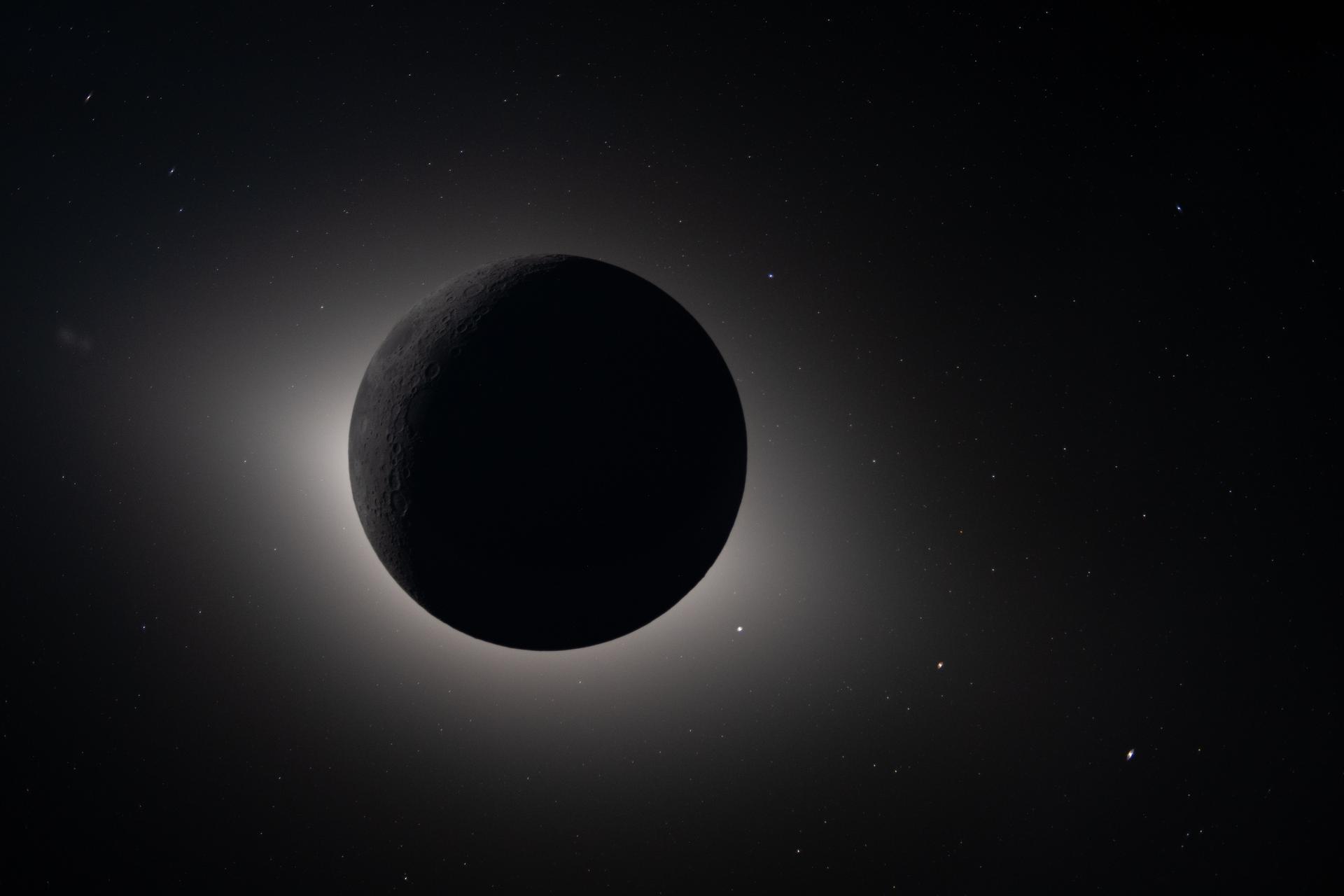
During the flyby, the spacecraft observed the Moon eclipsing the Sun for 54 minutes. This photo shows the corona of the Sun during the observed total eclipse.
More photos from the lunar flyby can be found on the NASA website.
Sources
Information was sourced from the NASA website.
Image and Video Credit:
- “Eclipsed: A View from Orion” by NASA, CC BY-NC-ND 4.0, via NASA Multimedia
- “Artemis II countdown & launch: Full liftoff video” by NASA, [modified], via CNN
- “Artemis II Launch” by NASA, CC BY-NC-ND 4.0, via NASA Multimedia
- “Shadows Across Vavilov Crater” by NASA, CC BY-NC-ND 4.0, via NASA Multimedia
- “Shadows at the Edge of Lunar Day” by NASA, CC BY-NC-ND 4.0, via NASA Multimedia
- “A Setting Earth” by NASA, CC BY-NC-ND 4.0, via NASA Multimedia
- “Artemis II in Eclipse” by NASA, CC BY-NC-ND 4.0, via NASA Multimedia
-
Times given for the 6th of April 2026, the Artemis II mission has now (at time of writing) passed the dark side of the moon. ↩︎